
Plants That Add Comfort and Style
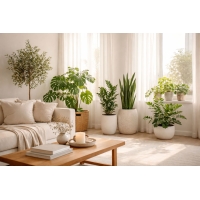
10 indoor plants that make your home interior look better
Indoor plants are no longer just decorative elements. Today, they play a key role in shaping how a space feels — adding depth, balance, and a sense of life to everyday interiors. Even one well-chosen plant can transform a room, making it look more refined and visually complete. The impact is not about quantity, but about thoughtful selection and placement.
How Plants Influence the Perception of Space
Plants function as natural visual anchors. They soften hard lines, balance structured interiors, and introduce organic contrast. Insights from environmental psychology suggest that natural elements enhance the perception of comfort and visual harmony in living spaces.
This effect is especially noticeable in minimal interiors, where greenery becomes a central design element.
It is useful to consider:
the scale of the plant relative to the room
the shape and structure of the leaves
contrast with surrounding materials and colors
A single well-placed plant can often have more impact than multiple smaller ones.
5 Plants That Instantly Improve Your Interior
Certain plants are versatile and consistently work well across different interior styles.
Some of the most effective options include:
ficus — structured shape and deep green tone
monstera — bold leaves and strong visual presence
zamioculcas — clean lines and polished look
sansevieria — vertical form, ideal for modern spaces
olive tree — light, Mediterranean-inspired aesthetic
These plants help create a more curated and intentional environment, even with minimal styling.
Small Plants for Subtle Accents
Not every space allows for large plants. Smaller varieties can be just as effective when used thoughtfully.
Ideal placements include:
desks and workspaces
bedside tables
open shelving
kitchen surfaces
These details add depth and a sense of care without overwhelming the space. They work especially well in neutral interiors where small accents become more noticeable.
How to Place Plants in Your Home
Placement is just as important as selection. Random positioning often reduces the overall effect.
Simple principles to follow:
one large plant creates a strong focal point
grouping 2–3 plants adds visual depth
varying heights creates a more dynamic composition
leaving space around plants enhances their presence
Natural light also plays an important role. When plants are placed with intention, the entire space feels more balanced and elevated.
Minimal Care as Part of a Modern Lifestyle
A well-designed home should not feel demanding. Plants are most effective when they integrate naturally into everyday routines.
It is practical to choose plants that:
require minimal attention
maintain a clean, structured appearance
adapt easily to indoor environments
This approach allows greenery to enhance the space without adding unnecessary complexity. The result is a home that feels alive, yet effortless.
* * *
Indoor plants are one of the simplest ways to transform a space without major changes. They introduce depth, soften the environment, and make interiors feel more personal and complete.
The key is not to add more, but to choose better. A few well-selected plants can define the atmosphere of a room and elevate its overall aesthetic.
Modern interiors are increasingly built around how a space feels, not just how it looks. Plants play a central role in this shift — bringing a sense of calm, balance, and quiet sophistication into everyday life.
Latest news
View all news 04/04/2026
Plants That Add Comfort and Style
Discover indoor plants that enhance your home interior and create a more balanced, stylish, and visu...
Read more 25/02/2026
The Capsule Beauty Bag: Essentials for Effortless ...
Discover how to build a capsule beauty routine with versatile, everyday makeup essentials. Learn bea...
Read more 25/02/2026
Aroma as Part of Personal Style: How to Choose You ...
Explore how to choose a signature scent that reflects your personal style, mood, and season. Practic...
Read more 24/02/2026
Skinimalism: Why Less Is the New Luxury in Skincar ...
Discover how skinimalism redefines beauty in 2026. Learn how minimalist skincare, capsule routines, ...
Read more 16/02/2026
Seasonal Skin Transition: Preparing Your Beauty Sh ...
As the snow begins to melt from the Alpine peaks and the first edelweiss sprouts through the thawing...
Read more 14/02/2026
Men’s Grooming: The Rise of Minimalist Swiss Skinc ...
The era when "men’s grooming" was limited to a simple bar of soap and a splash of aftershave is offi...
Read more 08/02/2026
Sensitive Skin Solutions: Why Swiss Formulations O ...
In an era of environmental stressors, fluctuating climates, and the fast pace of urban life, "sensit...
Read more 02/02/2026
The Science of Scalp Health: Why Rausch is the Pio ...
For over a century, the secret to beautiful, flowing hair has been rooted not just in the strands we...
Read more 25/01/2026
Lubex: From Dermatological Excellence to Daily Ant ...
When it comes to high-performance skincare, the line between medical dermatology and luxury beauty o...
Read more 20/01/2026
The "Body Ritual": Transforming Daily Hydration in ...
In the fast-paced world we live in, we often rush through our daily routines, treating body hydratio...
Read more Fast delivery
 Buyer protection
 Data privacy
 14-day return policy
 Secure payment with SSL encryption